
How Do Porta Potties Work?
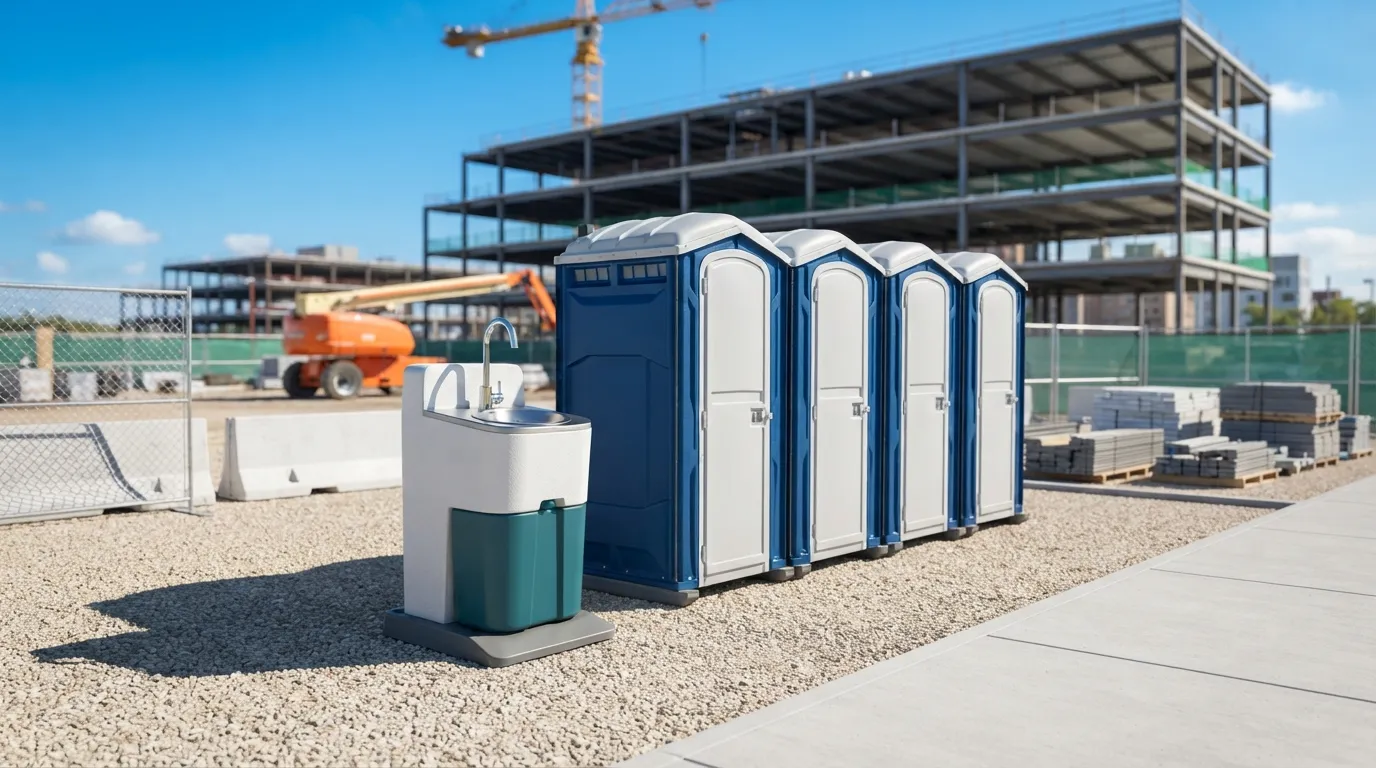
There's no flush, no pipe running to the street. The seat sits over a holding tank built into the base of the unit, and that tank holds the chemical mix that does the actual work of breaking things down and knocking out smell. A vent stack pulls odor up and out rather than back into the stall. When Waukesha Porta Pros comes out for service, the tank gets pumped, rinsed, and recharged with fresh chemical, then the paper and hand sanitizer get restocked. A standard unit runs about 44 by 48 inches on the ground and stands roughly 92 inches tall, which is why it fits into tight yards and job sites without needing a huge footprint. If you're picturing a construction worker running to a porta potty between tasks on a Waukesha build site, that's the exact use case these units are built for: fast in, fast out, no fuss. For anyone still deciding between unit types, the standard porta potty rental page breaks down what comes standard versus what's an upgrade.
How Does a Portable Sink Work?
A portable sink is its own sealed system, separate from the toilet tank entirely. It has a fresh water reservoir, a foot pump or hand pump to bring water to the faucet, and a gray water tank underneath to catch the runoff. Nothing connects to a building line. That matters because 29 CFR 1910.141(d)(2) requires washing facilities to have soap and towels or a hand-drying device, not just sanitizer, and a proper portable sink rental is built to meet that. Some crews pair units with a handwashing station rental instead of a sink where a simpler setup works fine, and food-service or paint crews sometimes need both. If your crew is applying paints, coatings, or pesticides, OSHA 1926.51(f)(1) specifically requires washing facilities for that kind of contaminant exposure, not just a bottle of sanitizer sitting on a table. Reviewing handwashing requirements before your event or job starts saves a scramble later.
Do Flushable Porta Potties Work Differently?
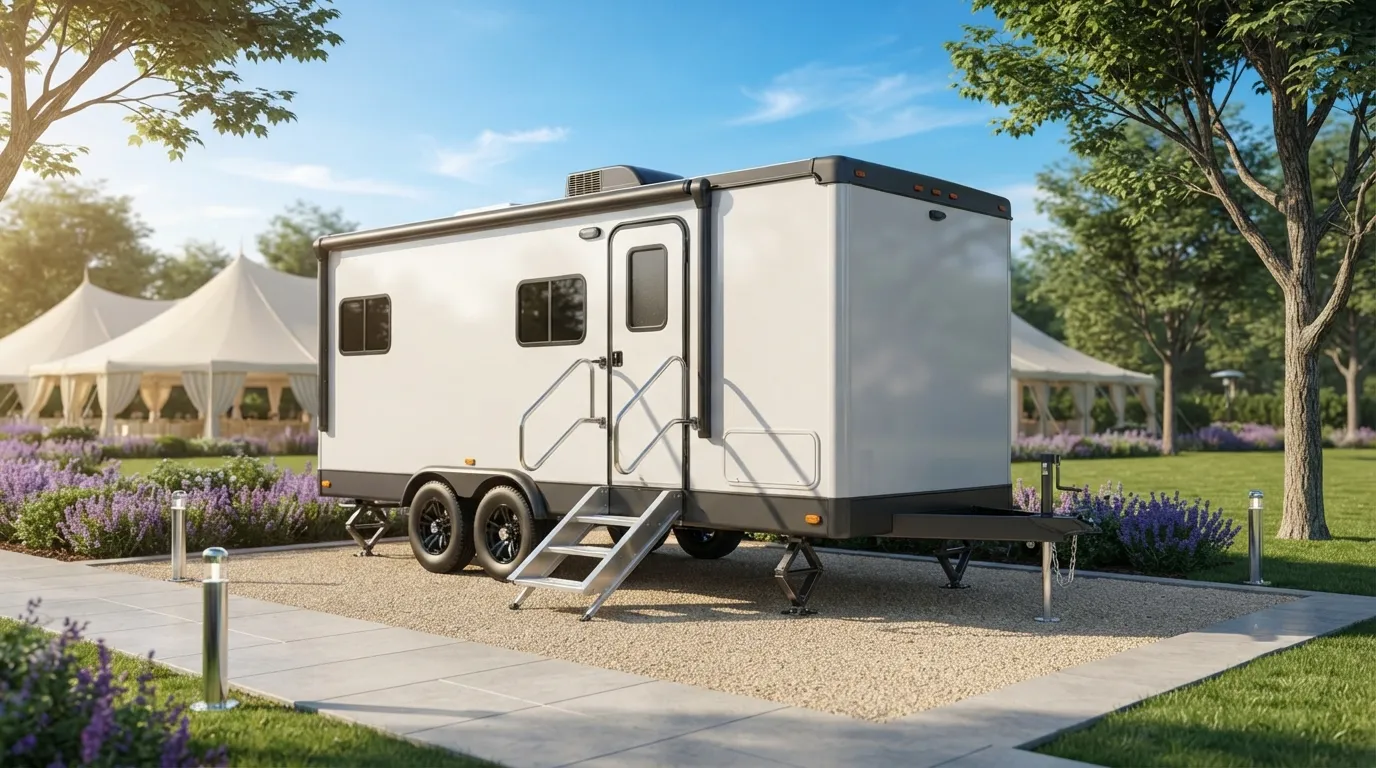
Yes. A deluxe flushable porta potty uses a small onboard freshwater tank and a pump to push a rinse of water through the bowl after each use, instead of relying only on the chemical soup below. It still holds waste in a tank, same as a standard unit, but the flush cycle keeps the bowl visibly cleaner between services, which matters for weddings, corporate events, or anywhere guests notice. Waukesha Porta Pros sets these up around Waukesha for events where a bare-bones unit feels wrong for the crowd. For bigger guest counts, a restroom trailer rental goes a step further, with multiple stalls, running water, and often climate control, closer to a real bathroom than a single stall ever gets. If you're planning something with more than a handful of guests, comparing a 2 stall restroom trailer against a cluster of flushable units is worth doing before you book.
What Chemicals Go in a Porta Potty?
The blue liquid in the tank is a deodorizer and digestion agent, formulated to break down solid waste and toilet paper while suppressing odor and slowing bacterial growth. It's a different product from what goes into a residential septic system, and it's not something a homeowner buys at a hardware store for their own tank. If you're searching for portable toilet chemicals near me because you're managing your own unit, know that most rental companies handle chemical refill as part of scheduled service rather than selling it retail. The service interval matters here too. ANSI/PSAI Z4.3 sets a baseline of one service visit per week for up to 10 users across a 40 hour week, though busier sites need more frequent pumping. That's a different world from septic tank cleaning chemicals used at a house, where a typical 1,000 to 1,500 gallon tank gets pumped every 3 to 5 years depending on tank size and household size. If your own tank at home is overdue, septic pumping service or a look at septic tank warning signs is the right next step, not a porta potty chemical.
Pricing at a Glance
| unit | day | week | month |
|---|---|---|---|
| standard | $100-$350 | $130-$500 | $125-$325 |
| deluxe flushable | $85-$1,200 | $150-$290 | n/a |
| ada accessible | $200-$400 | $240-$240 | n/a |
Weekend rates run separately from these, with a standard unit typically landing between $125 and $400 for a weekend booking. For exact numbers tied to your job length, the porta potty rental cost page and the porta potty rental per day breakdown both go deeper than this table can.
How do camping porta potties work?
Same tank-and-chemical setup as a job site unit, just placed for a weekend or a week near a campsite instead of a work zone. Waukesha Porta Pros delivers to camping and outdoor events around Waukesha the same way it does construction sites. See camping porta potty for typical setups.
How often are porta potties serviced?
Weekly is the baseline under ANSI/PSAI Z4.3 for moderate use, but high-traffic construction sites or multi-day events often need two or three visits a week. Check how often are porta potties cleaned for specifics.
How many porta potties does a job site need?
OSHA 1926.51(c) sets the ratio: one toilet for 20 or fewer workers, then additional seats as headcount climbs past 20. Use how many porta potties do I need to size it against your crew.
Do porta potties smell?
Less than people expect when serviced on schedule. The chemical mix and vent stack are designed specifically to control odor between pump-outs. Full details live at do porta potties smell.
Can I get a porta potty during a Waukesha winter?
Yes, with adjustments for freezing chemical and tank levels. See porta potty in winter for what changes when temperatures drop.
Next step
Get a delivery date
Tell us the address, the dates and the headcount. We size the order and confirm the route.